
What Is a Disc Herniation?
The spinal disc is a unique tissue acting as a shock absorber and spacer, allowing spinal nerves enough room to exit the spine without compression. When a disc herniates or bulges, it can pinch spinal nerves or even the spinal cord, causing severe pain radiating down the arms or legs, often accompanied by numbness or muscle weakness.
Here is a cross-section of a vertebra showing the spinal canal, which houses the spinal cord, viewed from above.
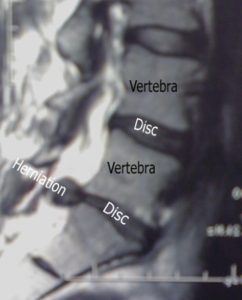
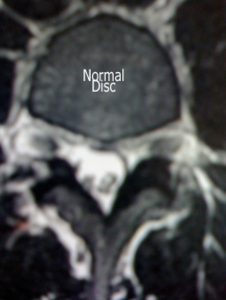
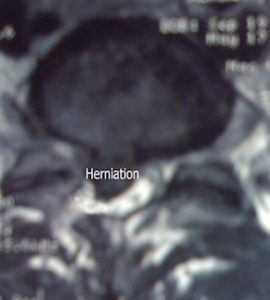
Typical Medical Treatments for Disc Herniation
Orthopedic surgeons or neurologists often prescribe anti-inflammatory medications, muscle relaxants, and physical therapy first. If these fail, injections or surgery might be recommended. However, these treatments usually address symptoms rather than correcting the disc bulge, which can lead to chronic issues.
Understanding Disc Degeneration
Following injury, discs can enter a degenerative cycle. Reduced blood supply—due to aging, injuries, or smoking—prevents full healing, causing cracks, tears, and further herniation. Many degeneration cases can be prevented with proper physical medicine techniques like targeted exercises, spinal mobilization, realignment, and, when needed, non-surgical spinal decompression.
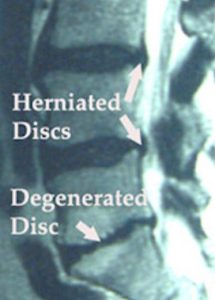
Common Chiropractic Approaches
Chiropractors use various spinal adjustments aiming to realign and mobilize the spine, increasing disc circulation to encourage the disc to regain its position and relieve nerve entrapment. Chiropractic care often yields better outcomes than medication and carries fewer risks. It’s advisable to consider chiropractic treatment before medical interventions.
The Hydraulic Method of Disc Correction by Dr. Rick Morris
This method carefully positions the spine to restore the disc’s alignment, creating a momentary vacuum effect that boosts blood flow. Rehabilitation then supports disc healing.
Disc herniation results from hydraulic pressure changes inside the disc when bending forward. Our treatment uses this principle to reposition the disc safely and effectively—often without surgery.
Our team discovered three key insights:
- 95% of disc herniations occur in the two arched spinal regions—the neck and lower back.
- Herniated discs almost always coincide with flattening or reversal of the normal spinal curve.
- Discs typically herniate during forward bending of a spine that has already lost its natural curve, forcing the disc to bulge into nerves.
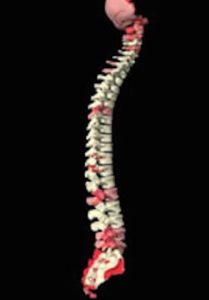
We realized that restoring the proper spinal curve and reversing the forces that caused herniation was essential. This insight led to developing a gentle, progressive, pain-free treatment—the Hydraulic Treatment—that has helped thousands experience relief safely and effectively within weeks.
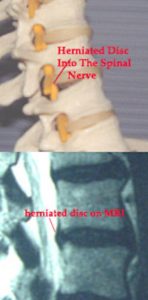
Our Hydraulic Method is both highly effective and safe, with most patients noticing improvement within days and significant results in under a month.
For chronic or severe herniations, especially with tears or poor blood supply often caused by trauma or spinal asymmetry, degeneration may continue, sometimes leading to surgery. We specialize in these challenging cases, teaching doctors nationwide techniques to promote healing. We call this Failed Disc Syndrome.
Our clinic utilizes the cutting-edge DRX Spinal Decompression system, backed by peer-reviewed research showing:
- Improved hydration and circulation in the disc.
- 90% success in repairing disc tears (Journal of Neuroimaging).
- 80-90% positive outcomes in patients completing our program, with significant pain reduction and improved function.
- Our protocol is considered more effective than other options for these conditions.
In fact, 80-90% of patients with long-standing spinal stenosis not helped by other treatments, including surgery, experienced notable improvement within 3 months, walking further and reducing or eliminating pain medications.
Spinal Decompression uniquely isolates the affected disc, creating suction that gently pulls the disc away from nerves, restoring circulation and enabling healing.
Not All Spinal Decompression Is Equal
Currently, only two machines provide true Spinal Decompression: the VAX-D and DRX 9000. The VAX-D can cause shoulder discomfort since patients must hold on with their arms during treatment. The DRX 9000 allows patients to relax fully, requiring no active effort.
We exclusively use the DRX 9000 for its superior ability to isolate discs and avoid muscular resistance. Other devices labeled “decompression” are often just traction machines lacking this precision.
Learn more about our DRX 9000 program here.
Why has Dr. Rick Morris become a leading spine center for disc bulge, herniation, degeneration, spinal stenosis, sciatica, and spinal decompression?
We focus on disc disorders from herniation, protrusion, degeneration, or annular tears, all causing spinal stenosis, nerve compression, and mechanical back pain that diminish quality of life.
Our nonsurgical treatments include:
- The Hydraulic Method
- Spinal Decompression
- In-Office and At-Home Spinal Reeducation and Rehabilitation
- Physiotherapeutic modalities (ultrasound, sinewave, galvanic, medium frequency currents, myotherapy)
- Comprehensive Chiropractic Analysis
- Advanced Spinal Decompression Braces and Ergonomic Aids
- Collaboration with specialists in Pain Management, Acupuncture, Surgery, Internal Medicine, and Psychology
We are a full-service disc and spine center offering all effective treatments. If you suffer severe, chronic back pain, you deserve a center with every available option.
Our research study of over 250 patients with severe spinal stenosis and disc disease using our protocols—taught nationwide—demonstrates outstanding results.