6 Things You Can Do Right Now to Ease Your Spinal Stenosis
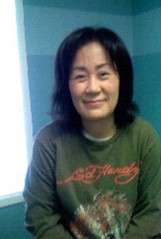 I honestly feared I would end up in a wheelchair, never able to walk again. The pain radiating from the back of my thigh down to my ankle was unbearable. Even short walks became impossible without stopping frequently to rest. After a thorough exam and an MRI confirmed my spinal stenosis diagnosis, Dr. Morris crafted a personalized treatment plan. Now, just over three months later, my pain is down to a manageable 1 out of 10. It’s been life-changing.
Now I can enjoy walking with friends, grocery shopping, and I’m excited to return to dance classes soon. Thanks to the daily exercises and support from Dr. Morris and his caring team, these activities, once unimaginable, are back in my life.
— Yuriko Imashuku, Language Instructor
Editor’s Note: Yuriko has been virtually pain-free for over two years and fully active.
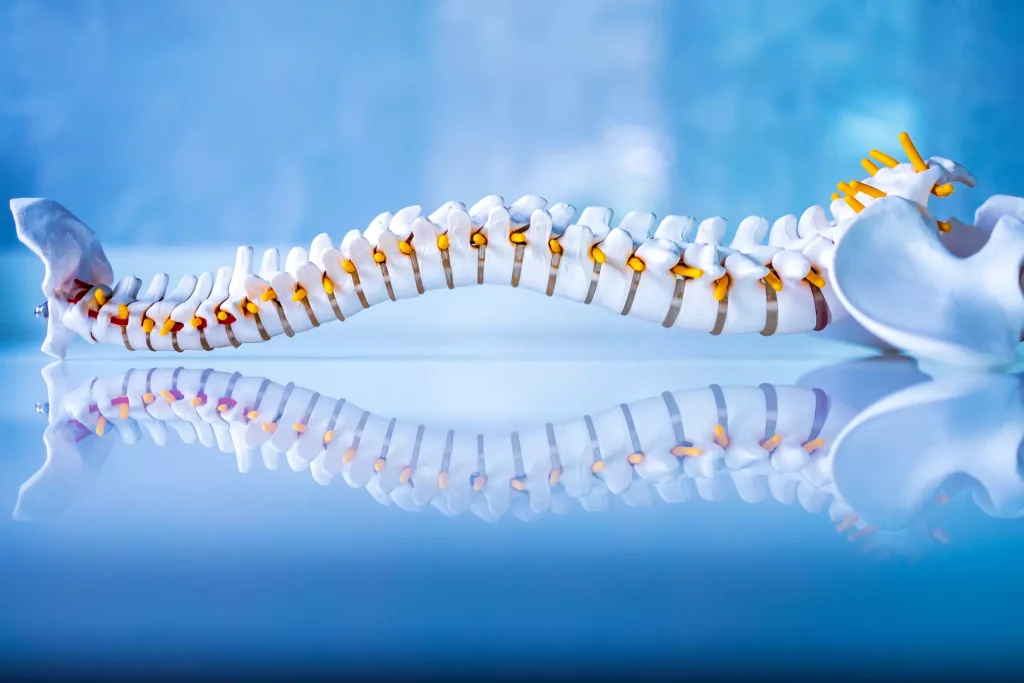
Spinal stenosis occurs when the spinal canal narrows, putting pressure on the spinal cord and nerves. This often leads to pain, numbness, and muscle weakness in the arms or legs. Although symptoms may start subtly, they usually worsen over time, making walking, standing, and arm movement difficult.
What Causes Spinal Stenosis?
Several factors can contribute:
- Bone spurs from arthritis encroaching into the canal
- Thickened ligaments narrowing the space
- Spinal misalignments causing twists that reduce canal diameter
- Herniated or bulging discs pressing into the canal
- Degenerated discs shortening the canal length
- Spinal fractures causing sharp bends in the canal
- Congenital narrowing of the spinal canal from birth
Regardless of the cause, the result is nerve compression and discomfort. Finding the exact cause is key to effective treatment.
Many doctors treat spinal stenosis without identifying the root cause, often relying on pain medications, injections, or surgery. While it’s commonly considered a progressive condition, our four-year study at Dr. Rick Morris shows over 80% of patients experience lasting improvement with targeted non-surgical care.
6 Immediate Steps to Help Your Spinal Stenosis
- Identify the cause of your spinal stenosis through a thorough evaluation and receive a tailored treatment plan.
- Lose excess weight if you carry more than 10 extra pounds, to reduce pressure on your spine.
- Avoid wearing medium to high heels that increase spinal arching and compression.
- Practice good posture by tilting your pelvis forward and lifting from your lower chest to minimize spinal curves.
- Steer clear of exercises that compress or overextend your spine, like Cobra poses, overhead lifts, and running.
- Focus on exercises that strengthen your lower abdomen, gently stretch and round your lower back, and counteract gravity’s effects.
Spinal stenosis can improve significantly with the right approach. Don’t settle for medication and surgery as your only options without exploring personalized care. Always get your doctor’s approval before starting new exercises or postural changes.
If you suspect you have spinal stenosis or have already been diagnosed, contact us. At Dr. Rick Morris, we provide caring, board-certified, non-surgical solutions that help patients regain their quality of life.
Learn more at www.SpinalStenosisandDisc.com